
Trace Former Sheboygan County Owners
Open a fresh row for every transfer you document. The newest deed gives you the current grantee and grantor. Walk that deed's grantor back to the prior acquisition and match the legal description. Sheboygan County publishes no fixed cutoff year for Tapestry. When online results stop, turn to the Register of Deeds volume chart and request the older records by mail or in person.
| Transfer Date | Grantor to Grantee | Deed Type | Book / Page or Instrument |
|---|---|---|---|
| Most recent filing date | Current grantee to named grantor | Conveyance shown in Tapestry | Copy the filed reference |
| Prior acquisition date | Earlier grantee to that transfer's grantor | Recorded deed or estate instrument | Use the volume chart if absent online |
| Older volume date | Continue the grantor-grantee link | Deed-book instrument | Ask the Register of Deeds by year and legal description |
| Platted-lot reference | Confirm the same tract | Plat or certified survey map | Use the document number and lot/block |
Begin with Tapestry and the most recent conveyance. If the online trail goes cold, request the recording volume by year and party name. Then test an older deed against a recorded plat or CSM. This confirms the lot matches. Directories and tax material help explain address changes and shifts in occupancy over time.
Sheboygan County Deed Volumes
A chart from the Register of Deeds shows the starting date of each recording volume and each CSM volume. That aid beats guessing at an online cutoff. No official source names the Tapestry start year or a digitization date, so treat any claim that everything before a certain year is missing with doubt.
Request the right book or index run with the municipality, an approximate date, the parties, the parcel number, and the legal description. The office sits in Room 218 of the Administration Building at 508 New York Avenue, Sheboygan, WI 53081, and can be reached at (920) 459-3023.
The Register of Deeds office page carries the volume chart along with its real-estate materials.
Sheboygan County Tapestry Chain
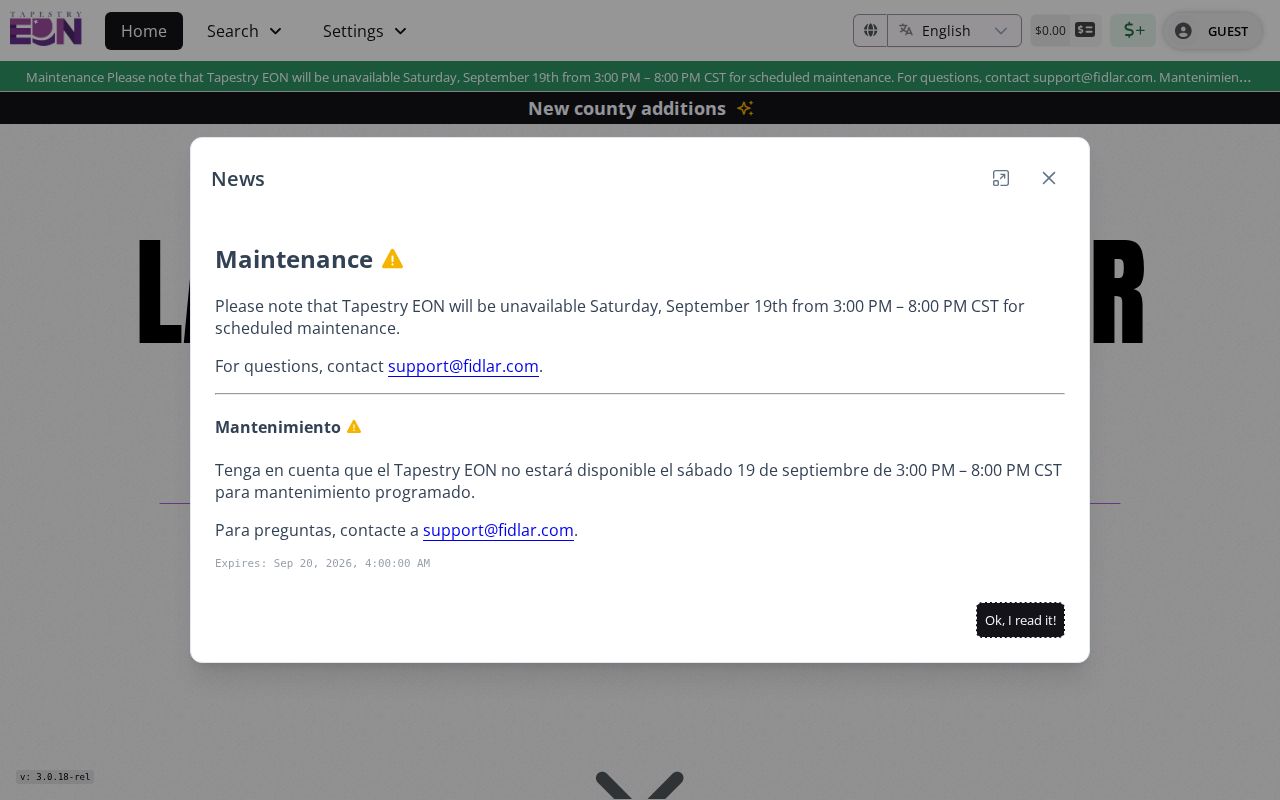
The county's Tapestry EON index returns the recorded grantor and grantee. It also gives the document type, the recording date, and an instrument reference. Search the grantee on the latest deed to surface that owner's acquisition. The grantor on that instrument becomes your next key moving backward. Sheboygan County publishes no exact year where the online coverage begins. So keep expectations flexible as you work the chain.
You can reach the index at Tapestry EON.
Keep the document reference every time ownership changes hands. That number ties a later search to the right parcel.
Walk the Sheboygan County Deed Chain
Begin with the current grantee. Then work backward through the grantor-grantee index. When a transfer looks murky, search each party in both roles, because a name can surface on either side of a deed. Compare the legal description rather than trusting a name alone. A personal representative, trustee, or sheriff can also appear as grantor in the chain.
- Find the latest deed and record its grantee, grantor, date, and legal description.
- Search the current grantee as a prior grantee to locate the acquisition.
- Carry the earlier grantor into the next backward search.
- When online results stop, use the volume-start chart and ask for the older book or index.
- Grantor
- The party shown as conveying an interest.
- Grantee
- The party shown as receiving it.
- Chain of title
- The linked set of recorded transfers for the same parcel.
- Legal description
- The land description used to confirm a deed concerns the same tract.
Wisconsin Deed Collection Searches
FamilySearch offers a Wisconsin Wills and Deeds collection. It is drawn from multiple custodians. Coverage runs through about 2017. Image quality varies, though. You can search by name, alternate name, event date, location, spouse or parents, keyword, record type, and film or DGS number, and an account unlocks some images.
Try an owner name with alternate spellings. Add the place or legal description when you have one. Treat results as leads or image copies. Confirm anything against the Sheboygan County recorded instrument. The Wisconsin Wills and Deeds collection works well as a supplemental index.
Sheboygan County Address Bridges
Mead Public Library points researchers to UW digital city and county directories. These cover 1875 through 1898. An entry may list a street address, a spouse or widow notation, and an occupation. It may also carry an owner or renter mark. If a number or street name changed, check the adjacent years too. Match the occupant to the deed chain. Do not treat the directory itself as a title record. The Mead local-history collection holds the directory path.

The directory links a past owner to an address. The deed, in turn, confirms the land transfer itself.
Estate Transfers in Sheboygan County
A backward chain can shift from an estate, personal representative, trustee, or successor. It can also shift from an individual. The Register of Deeds links transfer-by-affidavit and TDI-110 forms for a decedent's interest. Search the representative and estate name together. Check the circuit-court probate docket when a filing cites an order or sale authority. A death record supports a transfer but does not convey land on its own. Match the probate instrument to the parcel description. Also match any later deed placing title in a named grantee.
Sheboygan County Historical Property Research
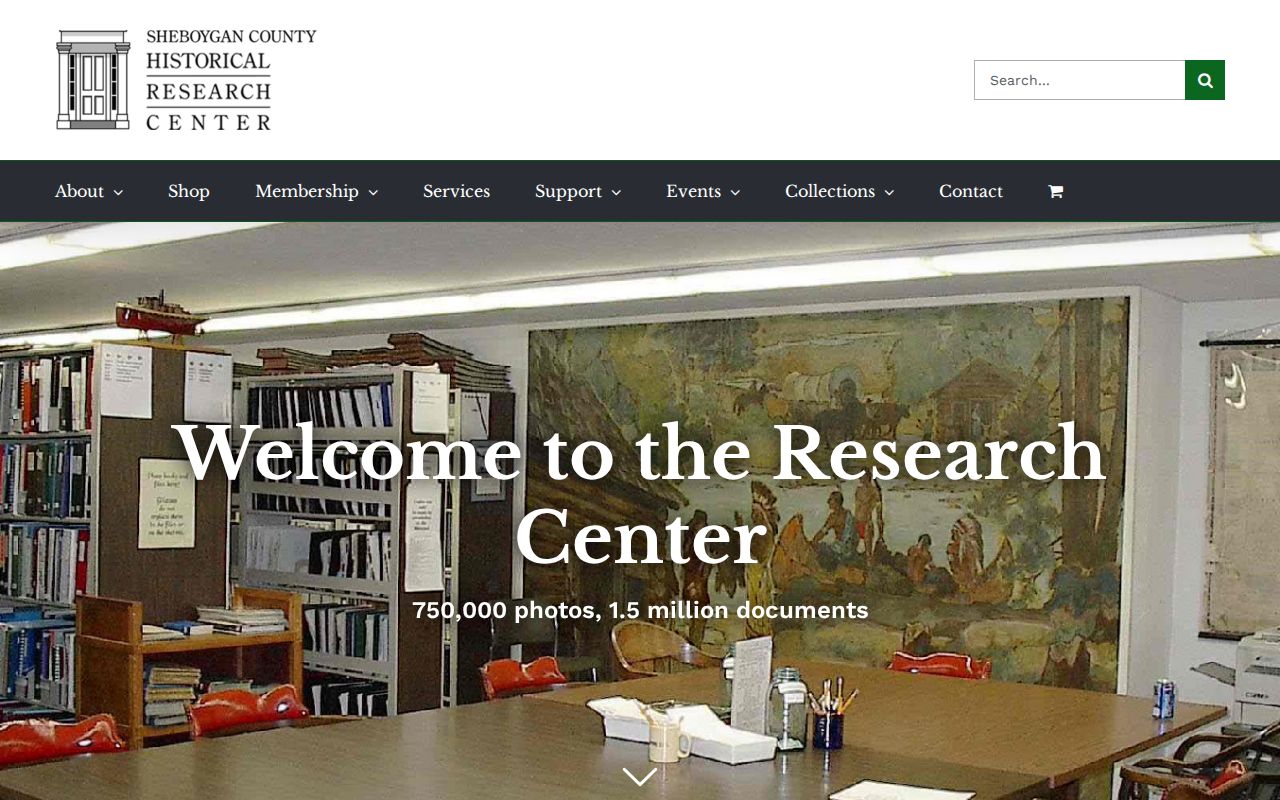
The Sheboygan County Historical Research Center holds newspapers, tax materials, directories, plats, and deed-history sources. These collections can resolve a former owner's name or an earlier street location. An online deed search alone may fall short. Include a year and address with each request. That detail helps the archive separate the property from similarly named holdings. The Historical Research Center collection information describes the local research resource.
Local-history findings explain the record trail. The recorded deed still documents the conveyance.
Use Wisconsin Vital Records as Supporting Evidence
An estate in the chain often calls for a death record. Wisconsin Vital Records handles state certificates. A certificate can confirm identity or timing. It transfers no real estate on its own. Eligibility rules and identity requirements sit with that office, so confirm them before applying.
The Wisconsin Vital Records application page explains the state request route.
Tie every family-history clue back to the probate filing and the recorded deed that actually describes the parcel transfer.
Use the Sheboygan Press Obituary Index Carefully
The Sheboygan Press obituary index spans 1968 through 1995 and works well for narrowing a death date. It can also link a family name to a property chain. Treat an obituary as a lead, never as proof of inheritance. Once a likely estate emerges, search Sheboygan County Register of Deeds records for a transfer-by-affidavit, TDI-110, personal representative deed, trustee deed, or a later conveyance. Names like Johann or John Mueller and Miller return many local matches, so add an approximate year, a spouse or street clue, and a parcel reference before crediting the obituary as evidence about the former owner of a tract.
The Mead local-history and genealogy collection opens a route to historical indexes and directories.
How Far Sheboygan County Deeds Reach
Sheboygan County publishes no single year for the online Tapestry cutoff, nor a full deed-book run year by year. The Register of Deeds volume chart, counter, and copy request remain the fallback for an older chain. FamilySearch holds varied images and indexes through about 2017. Mead and SCHRC add directories, tax records, and property-history clues that deepen the search.
Lawful use. Trace former owners for property history, estate work, or due diligence. Do not use the chain to target or harass a living person.